close


Solutions
keyboard_arrow_downServices
keyboard_arrow_downSupport & Resources
keyboard_arrow_downCompany
keyboard_arrow_downContact
Randox Health search

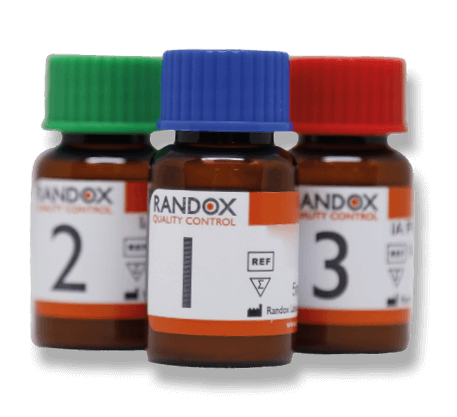
The Randox Acusera HbA1c control is designed for use in the quality control of HbA1c assays. Assayed instrument and method specific target values and ranges are provided for all major systems and methods including HPLC. A reconstituted stability of 4 weeks keeps waste to a minimum and helps to reduce costs.
Get in touch to discover more
To find out more about this Acusera Control or to get in touch. with your local Randox Representative, enquire now.
Features & Benefits - Control
- Lyophilised for enhanced stability.
- 100% human whole blood.
- Assayed target values provided for 2 parameters.
- Conveninet bi-level pack containing two clinically significant levels of control
- Stable to expiry date at 2°C to 8°C.
- Reconstituted stability of 4 weeks at 2°C to 8°C.
Features & Benefits - Calibrator
- Lyophilised for enhanced stability.
- 100% human whole blood.
- Stable to expiry date at 2ºC to 8ºC.
- Reconstituted stability of 14 days at 2ºC to 8ºC.
- Multi-point calibrator.
- Traceable to NGSP.
| Description | Size | Cat No | |
|---|---|---|---|
| HbA1c Control Set Level 1 and 2 | 2 x 2 x 0.5 ml | HA5072 | EnquireSearch Kit InsertsView MSDSBuy Online |
| HbA1c II Calibrator Series | 5 x 0.5 ml | HA8124 | EnquireSearch Kit InsertsView MSDSBuy Online |
Analytes
- HbA1c
- Total Haemoglobin
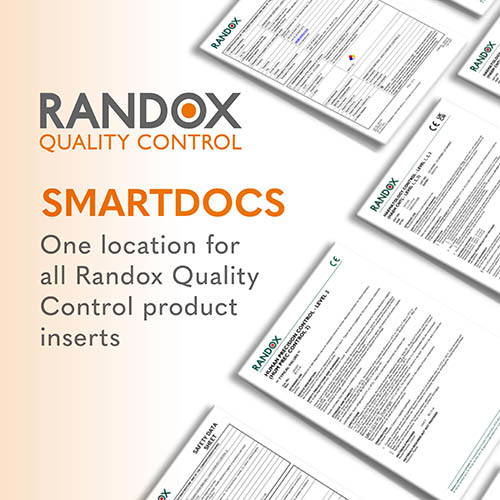
SMARTDOCS
One location for all Randox Quality Control products inserts.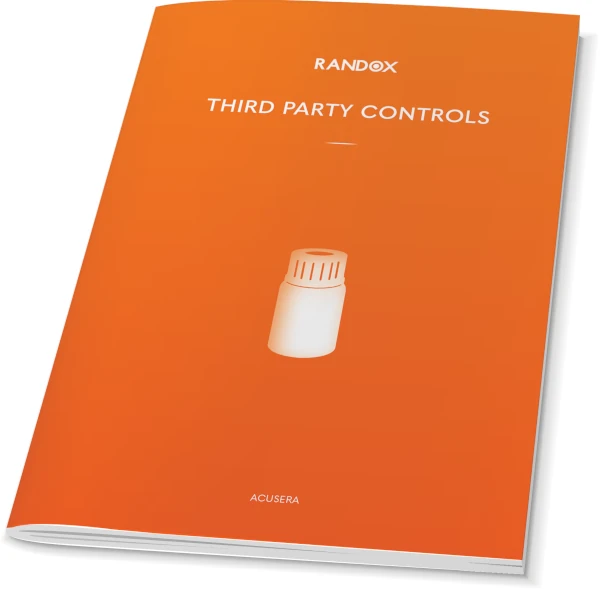
Acusera Brochure
True third party controls offering complete test menu consolidation