Solutions
keyboard_arrow_downServices
keyboard_arrow_downSupport & Resources
keyboard_arrow_downCompany
keyboard_arrow_downContact
Gastrointestinal Diseases
Get in touch to discover more
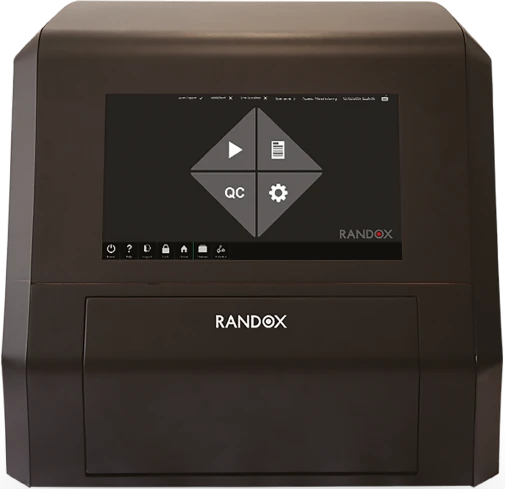
To find out more about the Evidence MultiSTAT or to discuss arranging a demo, enquire now.
GastroPanel Biochip
The GastroPanel Biochip provides risk stratification to triage patients presenting with dyspepsia at primary care from "low-risk" to "high-risk" probability. This allows for urgent secondary referrals for medium and high-risk patients.
Biochip detects 3 stomach-specific biomarkers to provide clinicians with more information on the function and structure of stomach mucosa.
These biomarkers are secreted by the cells in the gastric mucosa: pepsinogen I (PGI), pepsinogen II (PGII) and gastrin-17 (G-17). This complete panel of all 3 biomarkers provides a more comprehensive profile of the gastric mucosa than could be achieved by using any of these as stand-alone biomarkers.
Application
- Primary Care GPs
- Hospital Labs
- Gastroenterology Departments
- Oncology Departments
| Biochip Markers | ||
|---|---|---|
| Gastrin-17 | Pepsinogen I | Pepsinogen II |
humidity_low Sample Type:
Plasma
update Time to Result:
60 Minutes
CgA Biochip
The CgA Biochip aids in detecting and monitoring patients with gastroenteropancreatic neuroendocrine tumours (GEP-NETs). NETs originate from neuroendocrine cells found in neuronal and endocrine tissues throughout the body.
The most common sites of NETs are the lung, stomach, appendix, cecum, duodenum, pancreas, colon and rectum. High levels of CgA can also be found in cases of benign diseases such as gastro-intestinal disorders, kidney failure and cardiovascular disorders.
Application
- Primary Care GPs
- Hospital Labs
- Nephrology Departments
- Cardiology Departments
- Gastroenterology Departments
- Oncology Departments
- Respiratory Medicine Departments
| Biochip Markers | ||
|---|---|---|
| Chromogranin A (CgA) | ||
humidity_low Sample Type:
Serum
update Time to Result:
Under 40 Minutes
Significantly reducing and eliminating the need for:
Hospital Referrals
Unnecessary Scans
Endoscopy Procedures
Evidence MultiSTAT
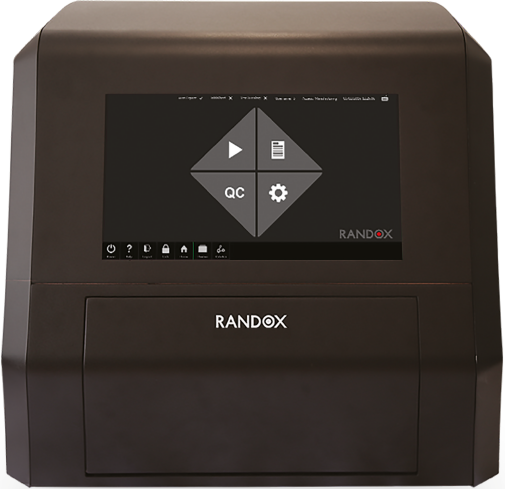
The Evidence MultiSTAT is an easy to use, small footprint analyser facilitating on-site simultaneous detection of multiple biomarkers.
Using chemiluminescence as a measurement principle, the Evidence MultiSTAT consistently delivers accurate results.
With minimal sample preparation required, this versatile benchtop analyser can achieve accurate, quantitative results in minutes.

MultiSTAT Cartridge
The Evidence MultiSTAT cartridge contains the reagents required for the chemiluminescent reaction to take place incorporated into its wells.
The process from sample entry to results can be completed in 2 simple steps, with minimal risk of human error.
No other components are required.