
Solutions
keyboard_arrow_downServices
keyboard_arrow_downSupport & Resources
keyboard_arrow_downCompany
keyboard_arrow_downContact

Get in touch to discover more
To find out more about Pan ProBNP enquire now.
Pan-proBNP is a measure of NT-proBNP and its various forms in the blood. NT-proBNP is a valuable blood test for identifying and monitoring heart failure. While high levels often suggest the heart is under strain, they can also occur in people with kidney disease or chronic lung disease. Even when heart failure is not present, an elevated NT-proBNP level may indicate increased risk of future heart and circulatory problems and should be considered alongside the patient's overall clinical picture.
NT-ProBNP and Heart Failure
BNP and NT-proBNP are blood tests widely used to help diagnose and monitor heart failure. NT-proBNP is a substance released by the heart when it is under strain or working harder than normal. It is produced alongside BNP, a hormone that helps the body reduce strain on the heart by relaxing blood vessels and encouraging the kidneys to remove excess salt and water. NT-proBNP is more stable in the blood and has a longer half-life than BNP, making it particularly useful for clinical testing. High NT-proBNP levels increase the likelihood that heart failure if present and is recommended as an initial investigation when heart failure is suspected in patients with suggestive symptoms, such as shortness of breath.
Other causes of high NT-ProBNP
Chronic Kidney Disease (CKD)
Kidney disease can raise NT-proBNP levels as kidney function continues to worsen. This may be due to the kidneys inability to remove NT-proBNP from the blood or a build up of fluid. This should not be ignored as it can still be indicative of stress on the heart.
Chronic Obstructive Pulmonary Disease (COPD)
People with COPD often have higher NT-proBNP levels, and these tend to raise as the condition becomes more severe.
What if heart failure is not present
High levels of pan-proBNP/NT-proBNP may be an early sign of stress on the heart or blood vessels. Studies suggest that those with higher levels may have a greater risk of future cardiovascular problems such as heart attack, stroke and heart failure. This may be particularly important in people who already have risk factors such as high blood pressure.
Available on the Evidence RABTA
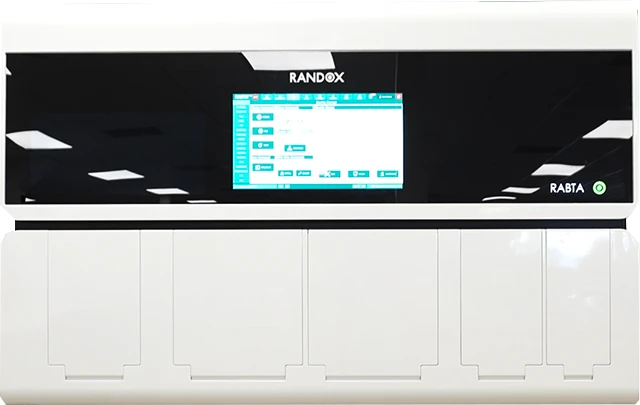
The Evidence RABTA (Random Access Biochip Technology Analyser) sets a new standard in laboratory diagnostics, combining true random access testing with advanced Biochip Array Technology to deliver fast, flexible, and high-volume multi-analyte analysis.